
Symptoms and signs
- A high BMI that has not improved with other treatment
- Weight-related conditions such as diabetes or sleep apnoea
- Feeling hungry soon after meals
- Difficulty with movement or daily tasks because of weight
- Wanting to understand a surgical option
See a doctor urgently if
- Fever, severe abdominal pain, repeated vomiting, breathlessness or chest pain after surgery needs urgent care
- Inability to drink fluids after surgery should be reported at once
If you have a medical emergency, call 112 or go to the nearest hospital. Do not wait for an enquiry reply.
Causes and risk factors
- Eating patterns and portion sizes
- Family history
- Hormonal and metabolic conditions
- Some medicines
- Low activity
How a doctor assesses it
The team checks your BMI, health conditions and medicines, and may advise blood tests, an endoscopy and other scans. A dietitian and often a psychologist assess your eating habits. Acid reflux is considered carefully, as it can affect which operation is advised.
Who may need it
The operation is considered for adults who meet BMI and health criteria and are prepared for lifelong changes. People with serious reflux may be offered a different operation. The team and surgeon decide with you.
Treatment options
Lifestyle and medical treatment
Supervised diet, activity and medicines are tried first by many people.
Sleeve gastrectomy
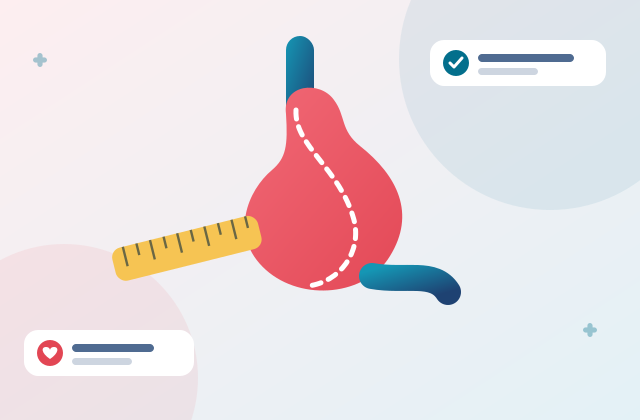
A narrow stomach tube is created, so you feel full sooner and may feel less hungry.
Gastric bypass
An alternative that reroutes part of the digestive tract. It may suit some people better, for example when reflux is a problem.
Other options
The surgeon may discuss other procedures or revisions depending on your case.
What the procedure involves
The operation is usually done by keyhole surgery under general anaesthesia. The surgeon removes a large part of the stomach and staples the rest into a narrow sleeve, then checks it is sealed.
You stay in hospital for a period the surgeon decides. After surgery you follow a staged diet and take supplements as advised.
Recovery
- Liquids first, then soft food, then regular food, guided by a dietitian
- Small meals eaten slowly, with enough protein and fluids
- Supplements are usually needed, often long term
- Regular check-ups and blood tests
- Gentle activity early, building up as advised
Everyone heals differently. Follow your own surgeon's instructions.
Risks
- Bleeding or a leak from the staple line
- Infection
- Acid reflux or heartburn
- Narrowing of the sleeve causing vomiting
- Low vitamin and mineral levels
- Gallstones
- Weight regain over time
- Risks linked to anaesthesia
Your surgeon will explain which risks matter most for you. No result can be guaranteed.
Cost and payment
The cost of sleeve gastrectomy treatment depends on your case and cannot be fixed without a medical assessment. These are the main things that change it:
- Tests and scans before surgery
- Length of hospital stay
- Supplements and follow-up afterwards
- The hospital or day-care centre and the room type
- The surgeon's and anaesthetist's fees
- Tests and scans before surgery
- Medicines, dressings and follow-up visits
- Whether you pay in cash, use EMI or claim insurance
Our team explains your options for cash, EMI and insurance, helps you compare packages and handles insurance paperwork. Try the EMI calculator to plan your payments. Insurance cover depends on your policy and insurer, and approval cannot be promised.
Questions to ask your surgeon
- Is a sleeve the right operation for me, or would another suit me better?
- How will my reflux or diabetes be handled?
- What will I eat in the first weeks?
- What happens if I do not lose weight, or regain it?
- Who will perform my procedure, and how often have they done it?
- What are the risks for me and how are complications handled?
- What is the full cost, in writing, and what does it include?
Check that any doctor is registered, for example on the National Medical Commission register or with the state medical council.
Our step-by-step support
From your first call to your follow-up visits, our team stays with you:
- Our team connects with you. We call you, listen to your concern and understand the exact problem.
- We find the right hospital and doctor. Based on your treatment, we help you shortlist a suitable doctor and hospital.
- Package, cash, EMI or insurance. We explain the package and help you choose between cash, EMI and insurance.
- Doctor consultation arranged. We book your consultation with the doctor and share what to bring.
- Surgery is planned. If surgery is advised, we help plan the date and the steps before it.
- Cab booked for you. We arrange a cab for your hospital visit.
- Papers checked before treatment. We check your documents and reports so nothing is missed on the day.
- Insurance filing handled. We help fill in and follow up your insurance paperwork.
- Care from admission to discharge. We stay in touch through admission, surgery and discharge.
- Free follow-ups and diet plans. After surgery, you get free follow-up consultations and diet plans.
Frequently asked questions
How is a sleeve different from a bypass?
A sleeve reduces the size of the stomach. A bypass also reroutes the intestine. Each has different benefits and risks.
Is the stomach removed permanently?
Yes. The removed part of the stomach is not put back, so the operation cannot be simply undone.
Will I need supplements?
Usually yes. Your team will tell you what you need and how long.
Can I eat normally afterwards?
You eat smaller amounts and follow dietary guidance. Your dietitian will guide you in stages.
Can you help with insurance and EMI?
Yes. Our team explains cash, EMI and insurance options and helps with the paperwork. Insurance cover depends on your policy and insurer, and approval cannot be promised.
How do I book a free consultation?
Call or WhatsApp +91 96255 29133, or fill in the form on this page. Our team will contact you the way you choose.
Related guides
Bariatric (weight-loss) surgery
Bariatric surgery is a group of operations that help people with obesity lose weight and can improve some related...
Read the guideGallbladder stones surgery (cholecystectomy)
Gallstones are hard deposits that form in the gallbladder.
Read the guidePlease note: This page is general information, not medical advice. Results vary and cannot be guaranteed. A qualified doctor must assess you before any treatment.